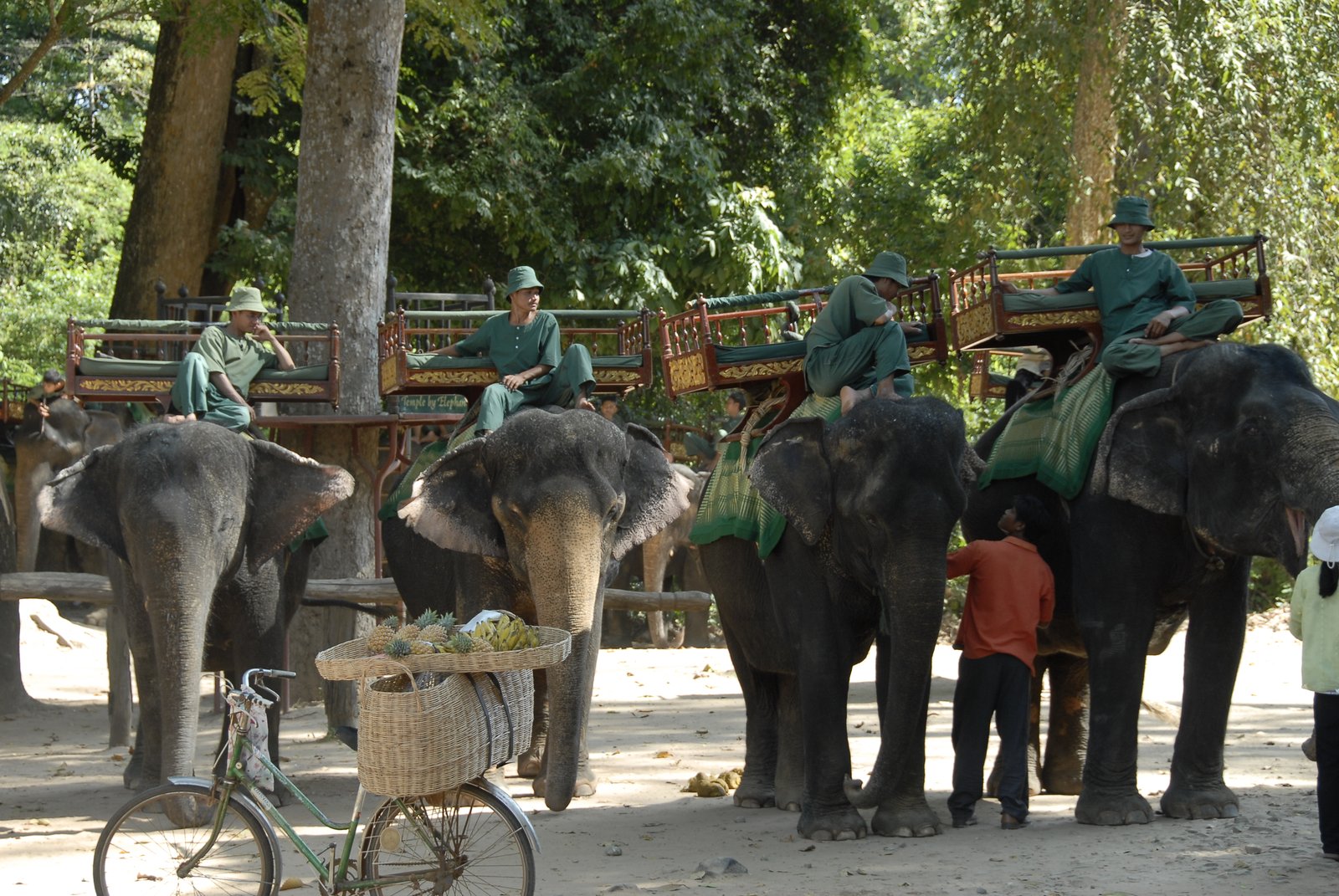
Once your family research is done, the natural next step is the trip back — the actual village, the parish church, the records office, the cemetery. We help you plan it, coordinate it, and make it count.
I've made this trip myself — the walk to a village I'd only seen on a census page, the parish records office where a clerk pulled a register from a shelf and set it down in front of me. There's nothing like it.
A heritage trip built on real research isn't the same as tourism. It's slower. It's more personal. It's the difference between visiting a country and visiting your family's country.
Every heritage trip is different — some clients want a full itinerary from arrival to departure, others just want coordination on a few key stops. Here's the range of what we can arrange.
Every stop on the trip anchored in a document — the village where the census recorded them, the parish where the baptism is registered, the port they sailed from. No guessing. No generic tour route.
Booking research appointments at national and regional archives ahead of your trip. On-site record retrieval for anything that hasn't yet been digitized — some of the best material is still only accessible in person.
Coordination with local priests, ministers, and parish record offices to view baptism, marriage, and burial registers. Where custom permits, we can arrange visits to the specific churches where your family was married or baptized.
Vetted local translators, drivers, and researchers where language and local knowledge matter. Especially useful for records offices, small-village conversations, and cemetery searches.
Recommended lodging near your ancestral villages (rural, not city-center), routing between stops that respects driving distances, and timing that accounts for when records offices and churches are actually open.
Where your research has identified living relatives and where it feels appropriate, we can help make gentle first introductions — always with full respect for their privacy and their right to decline. Never a surprise.
Heritage travel planning across the regions where most American families trace their roots. Deeper expertise in some regions than others — always honest about that upfront.
England, Scotland, Wales. This is where I did my own family research — I know the archives, the vital records offices, the parish structures, and the churches.
Village-level record retrieval, comune visits, and citizenship-adjacent trips. Regional expertise strongest in Sicily, Campania, Calabria, and Veneto — most common American-Italian origin regions.
Trips built around civil records, parish registers, and the specific townland where your family lived. Coordination with the National Library and county heritage centers.
Trips into the former partitions — Prussian, Russian, and Austrian. Requires local translation and coordination with regional archives, both of which we handle.
Regional civil register (Standesamt) coordination and Lutheran/Catholic parish visits. Strong records infrastructure — a good country for a first heritage trip.
Netherlands, Belgium, Scandinavia, Portugal, Spain, the former Austro-Hungarian countries, and the Baltic states can be arranged through local partnerships. Ask about your specific case.
Heritage travel isn't something you book like a holiday. It's built up from a foundation of research, layered with local coordination, and paced to match how you actually want the trip to feel.
Heritage travel works best when the family research is already done — or when we do it as the first phase of the same engagement. You can't visit a village you haven't identified. Most trips begin with research and progress to travel planning once we know the geography.
We build a draft itinerary from your research — the villages, the archives, the cemeteries, the specific parish churches. You review, we iterate. This is your trip, shaped around what you actually want to see.
Once the itinerary is set, we handle the on-the-ground coordination — archive appointments, parish contacts, translators, drivers, lodging recommendations. You book the flights and international pieces; we handle everything on the ground.
During your travel, you have a document dossier with every relevant record, contact, and address you'll need. Available for phone or email support if plans need to shift on the ground.
Every heritage trip is custom, so pricing is quoted per project rather than by hourly rate. Planning-only engagements start around $1,500. Fuller engagements — including archive coordination, local partner arrangements, and trip support — typically run $2,500 to $6,000, depending on trip length, number of stops, and regions involved.
Travel costs themselves (flights, lodging, meals, on-the-ground transport) are yours to book and pay directly. CARES does not take booking commissions, referral fees, or kickbacks from any local partner.
Every trip starts with a free 30-minute conversation to understand what you're hoping to see and whether we can shape it into a trip that fits.
Not by default. Most heritage travel engagements are planning and coordination — we build the trip, handle the on-the-ground logistics, and you travel independently with a full document dossier and phone/email support. Accompanied travel is possible in specific cases but is quoted separately.
Ideally yes — you need to know where your family came from before you can plan a trip back. In practice, many clients engage CARES for family research first, and heritage travel planning follows as the natural second phase. We can package both into a single engagement if that's the path you're on.
English is our working language. For research and travel involving other languages, we work with vetted local partners — translators, researchers, drivers — who handle in-language coordination on the ground. You never end up in a records office unable to communicate.
Six to nine months is a comfortable planning window for most heritage trips. Some archive appointments and parish coordination take longer to secure than restaurant reservations do. Shorter windows are possible for simpler trips, but the deeper the itinerary, the more lead time helps.
Very common in central and eastern Europe. Villages get renamed, absorbed, or wiped off the map by border shifts and 20th-century upheaval. Part of the research work is establishing what the place is called now and where its records live today. Then we plan the trip to that modern location.
Only where research has identified them, and only where the client has thought carefully about whether an introduction is welcome. When it is, we make gentle first contact through a written letter or a mutual local connection — never a cold knock on the door. Living relatives have every right to say no, and the approach respects that from the first message.
Yes — many clients pursuing Italian, Irish, or German citizenship by descent also want to make a trip that includes visiting the ancestral villages and viewing the original records in person. We can build a trip that dovetails with the citizenship documentation work.
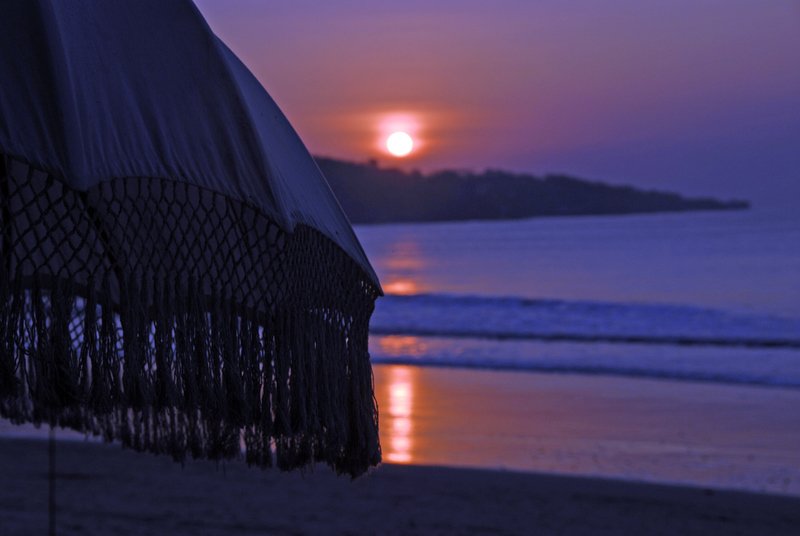
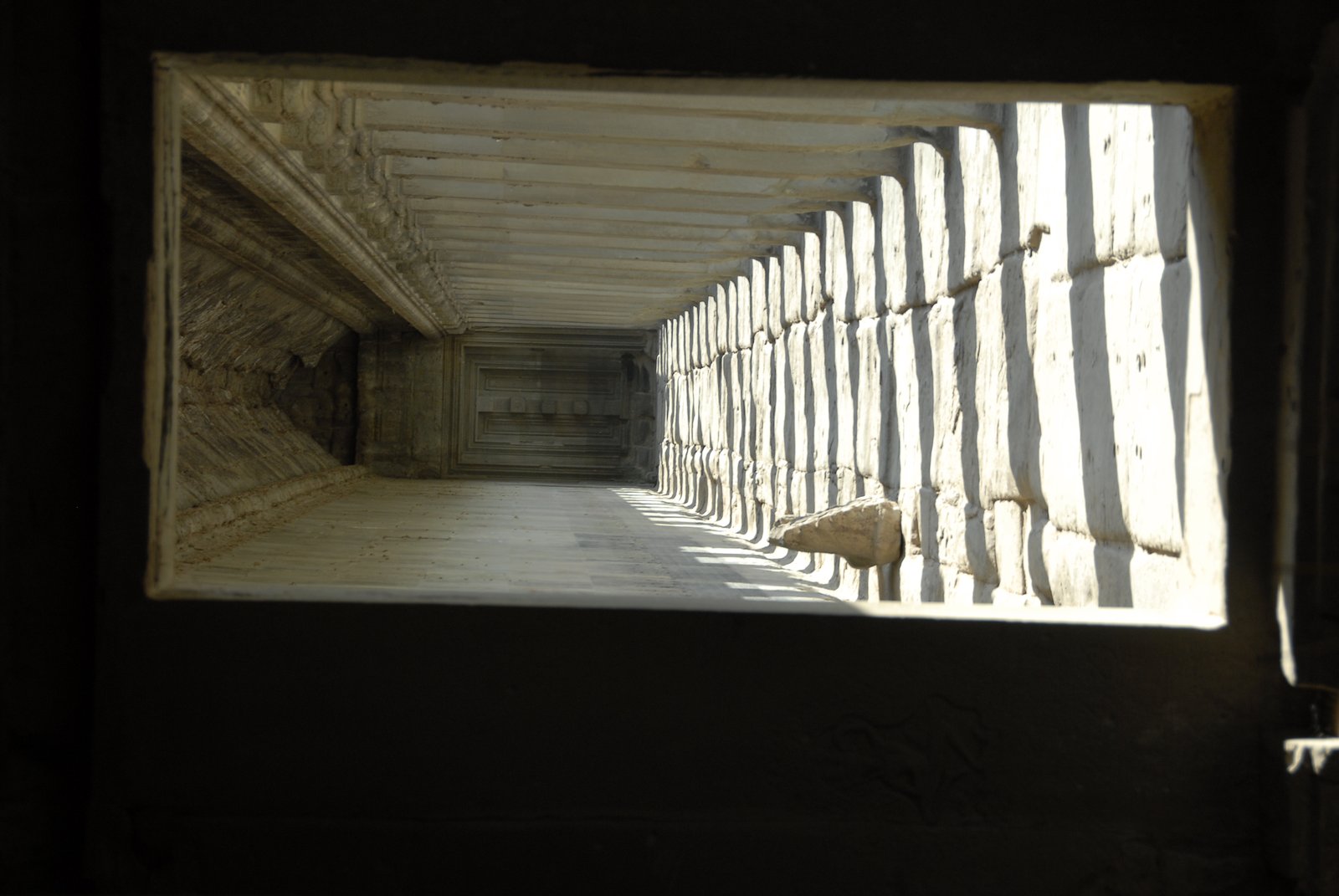
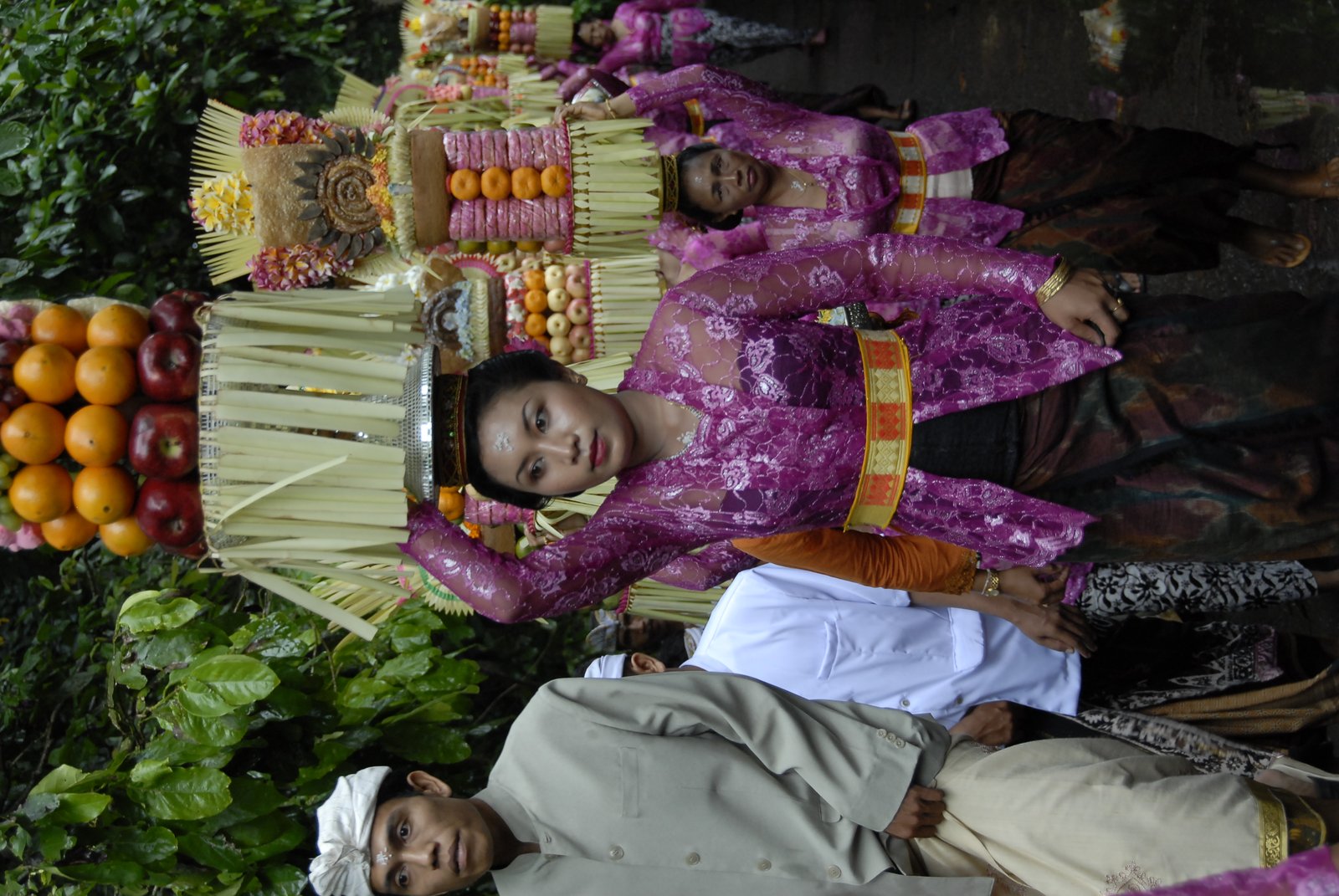
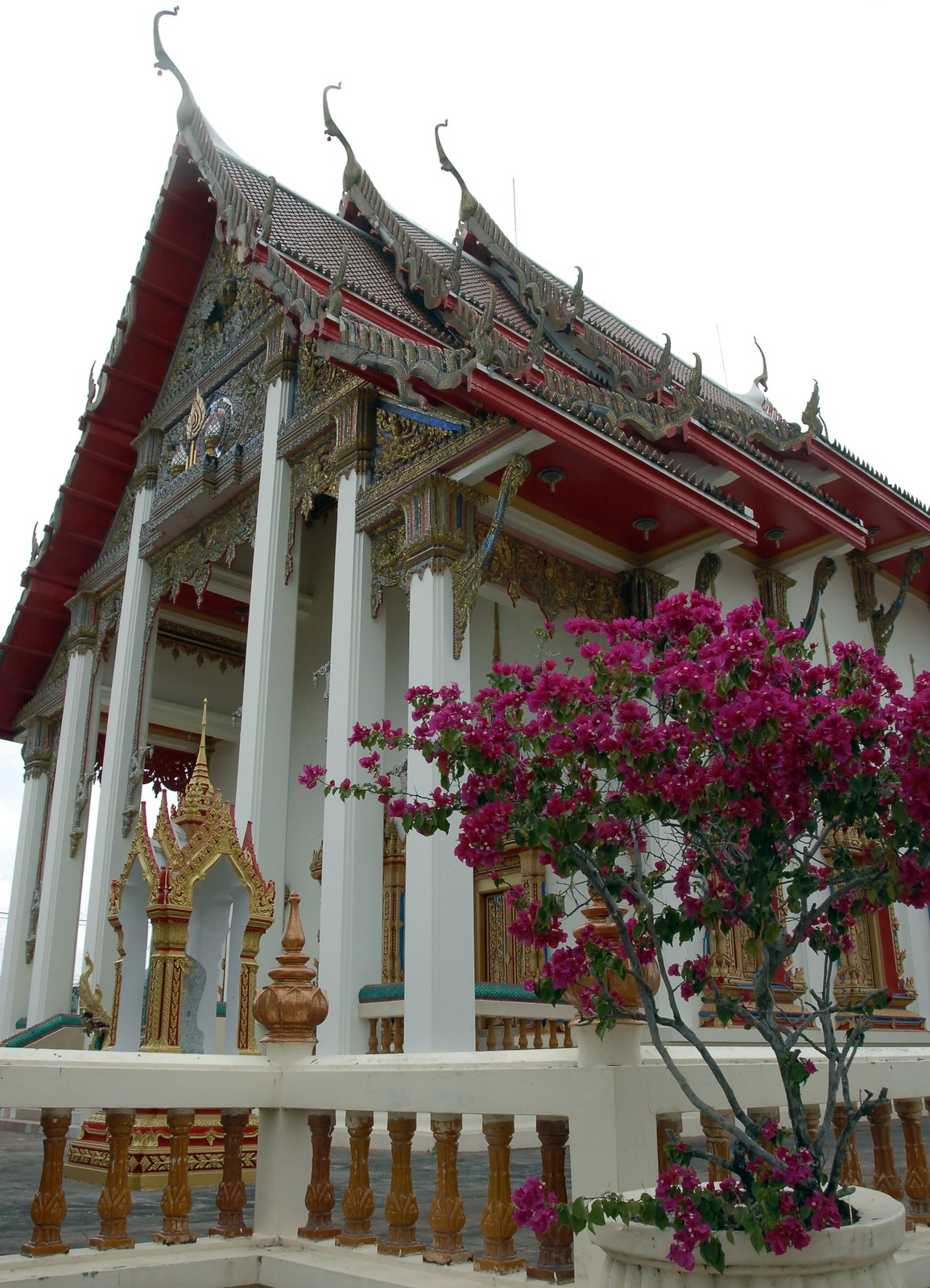
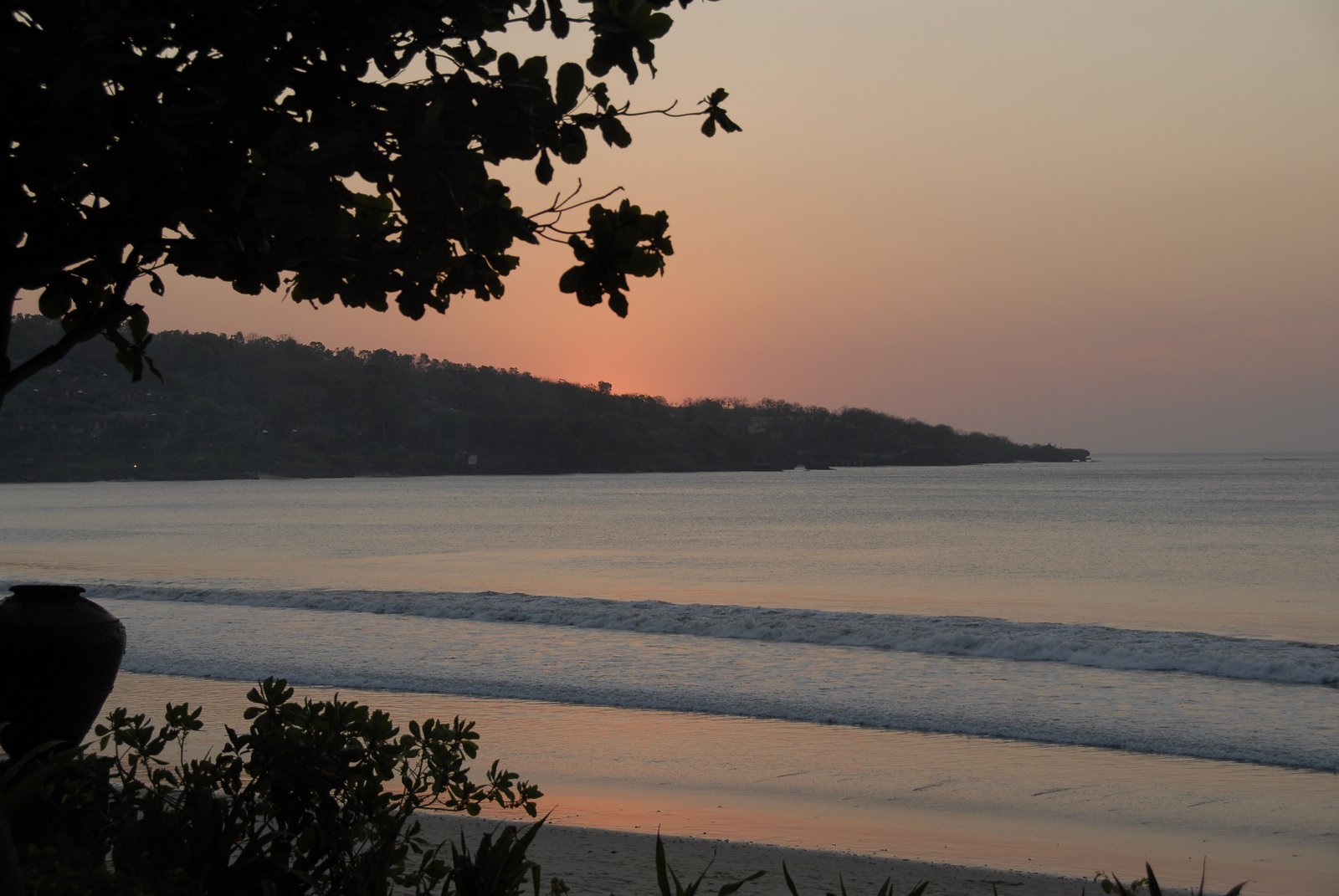
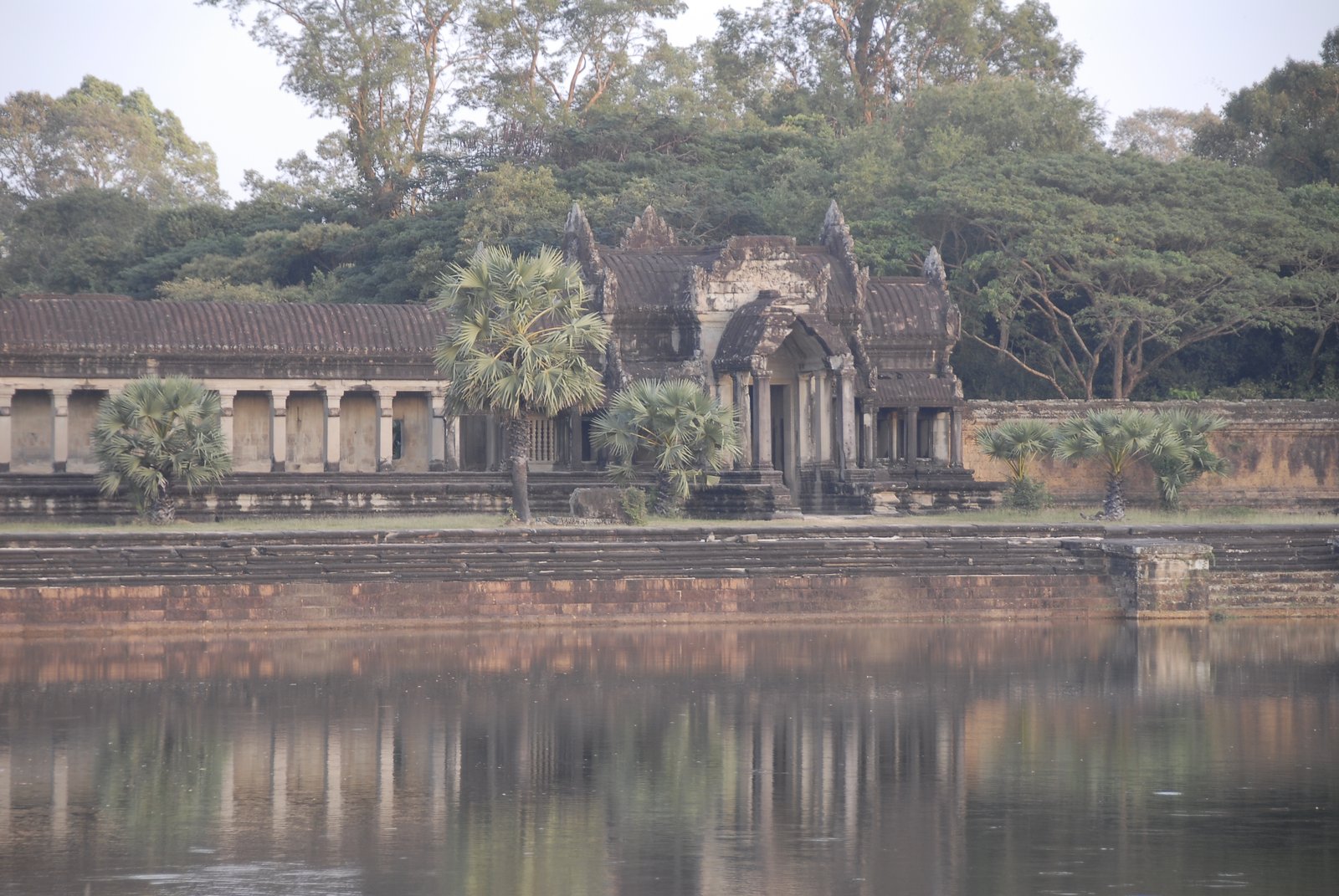
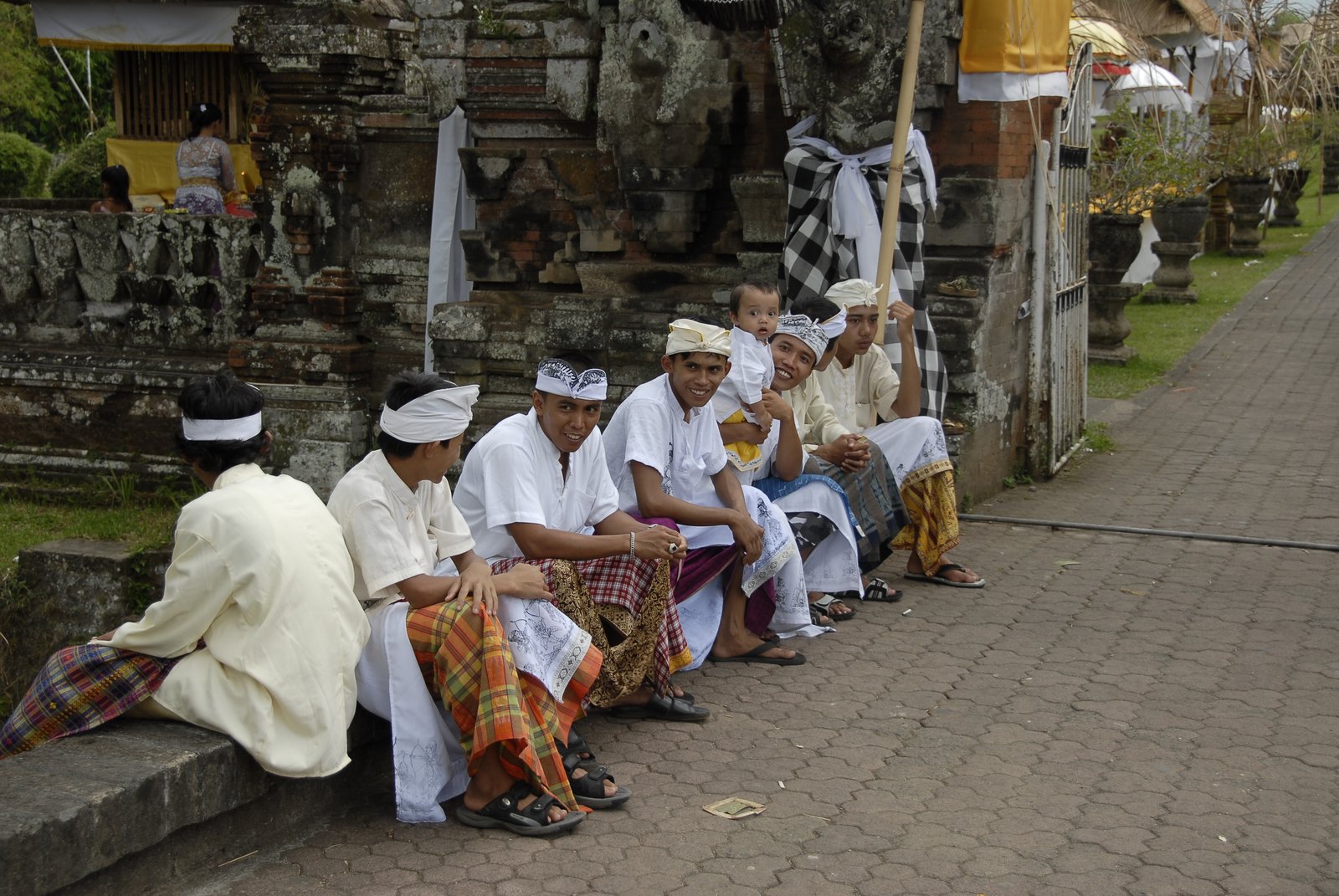
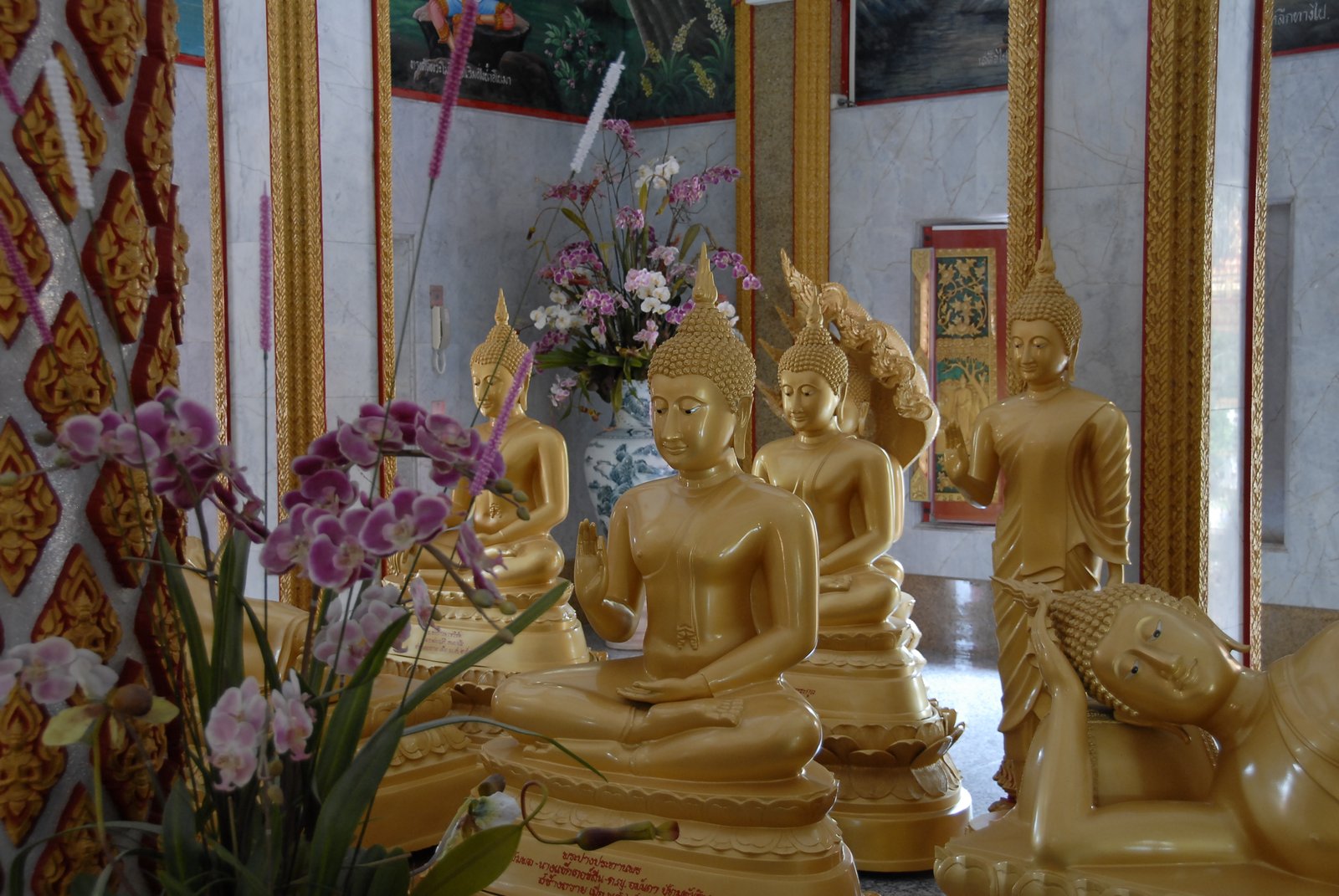
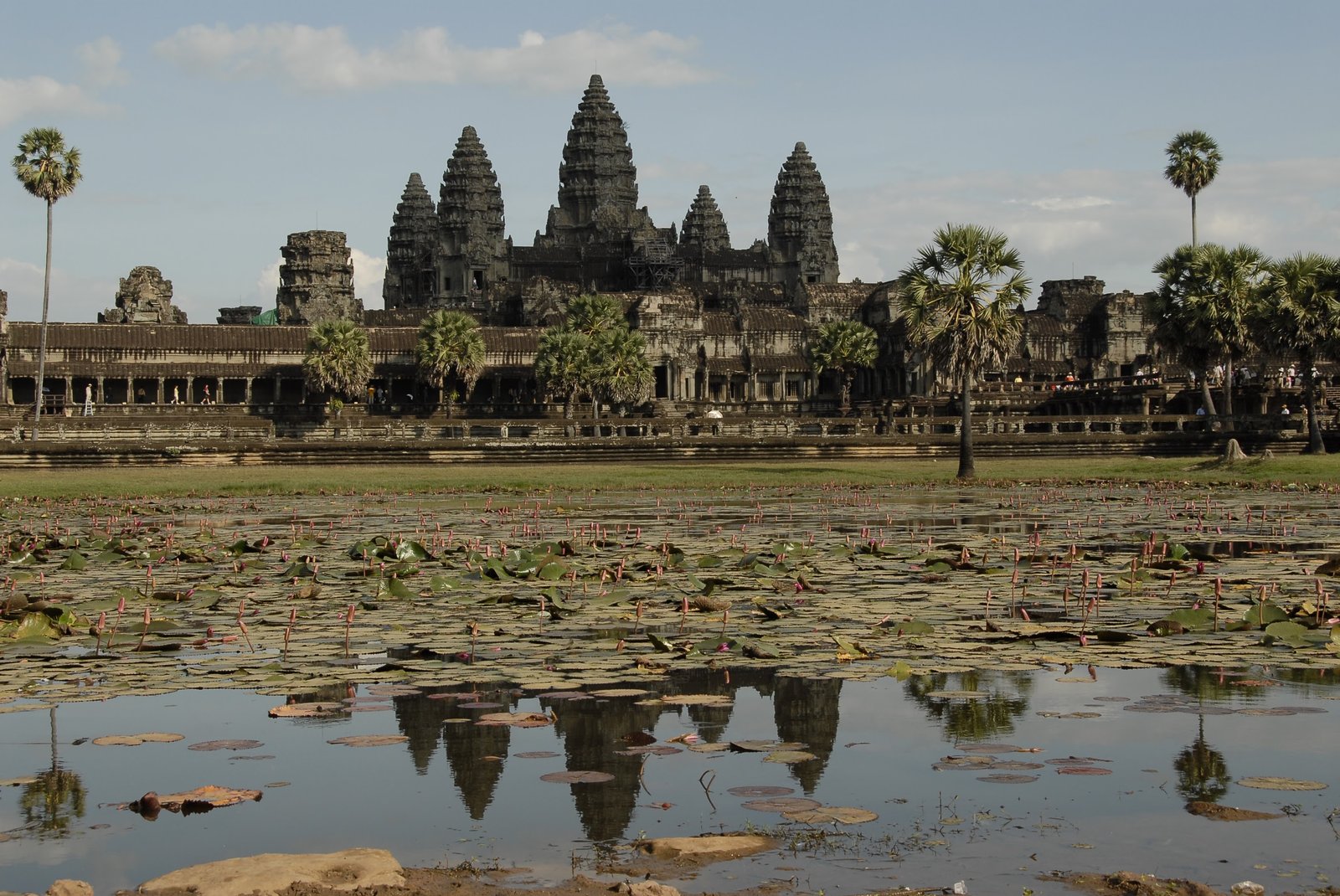
The best planning is grounded in personal travel. When I'm not helping clients trace their family to a village in Sicily or Kildare, I'm somewhere else with a camera — usually farther east. A few frames from beyond the family lines.
Tell us where your family came from and roughly when you're hoping to travel. We'll take it from there — starting with a free conversation to understand what you're looking for.
Email Dale about heritage travel