CARES · Family Research

Your family, on the record.

Founded by a retired Navy Commander who found his own biological family after decades of wondering. Now doing the same work for others.

Careful research into where you came from, who came before you, and the stories the records still hold. Family trees, citizenship files, and the trip back home — shaped around your questions.

Annandale, Virginia · Serving the DC metro area and worldwide
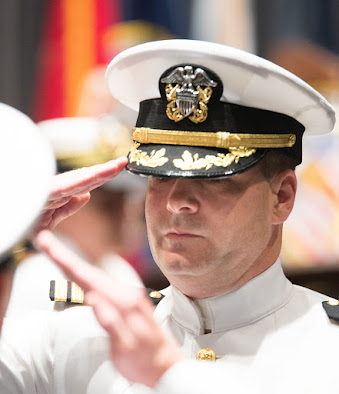
Dale Johnson saluting in Navy dress whites at his retirement ceremony
Dale Johnson · US Navy retirement
30+
Years research
& analysis
100%
Findings cited
to primary source
4
Public research
registries operated
VOSB
Veteran-owned
small business
Working together

Three ways in.

Some people come looking for names on a family tree. Others are working toward a citizenship application, or planning a trip back to where their family started. Different questions, same approach — one shaped around what you actually want to know.

Recovered records

What research actually looks like.

The documents below are from my own family research — the same kind of records I recover for client work. Original vital records, church registers, and historical censuses, each one traced back to its issuing repository. This is what a real research project produces.

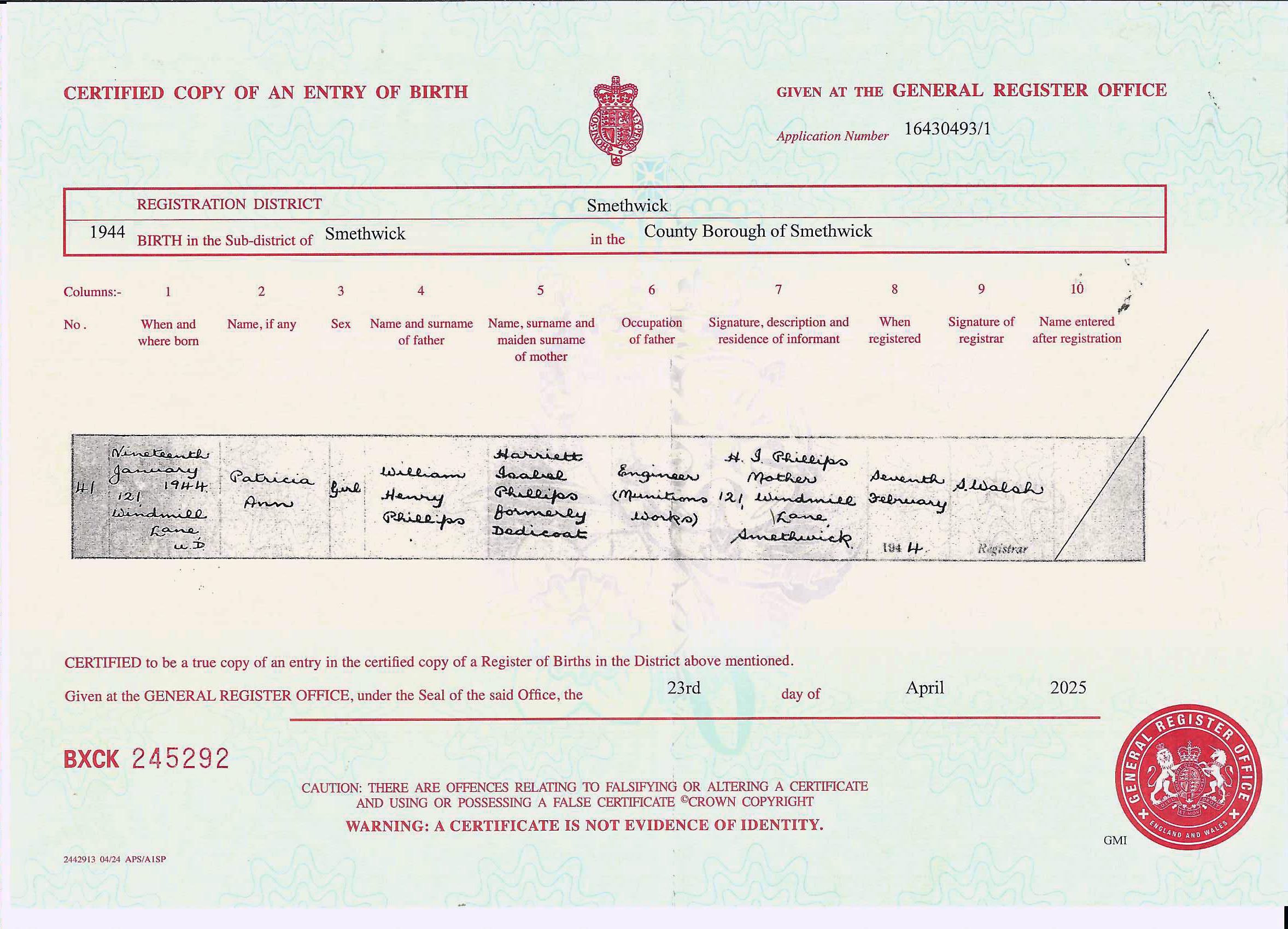
Certified copy of birth entry for Patricia Ann Phillips, 1944, Smethwick, UK
England · 1944 · Birth

Certified birth entry

General Register Office certified copy — my biological mother's birth record from Smethwick, recovered through the UK GRO application process.

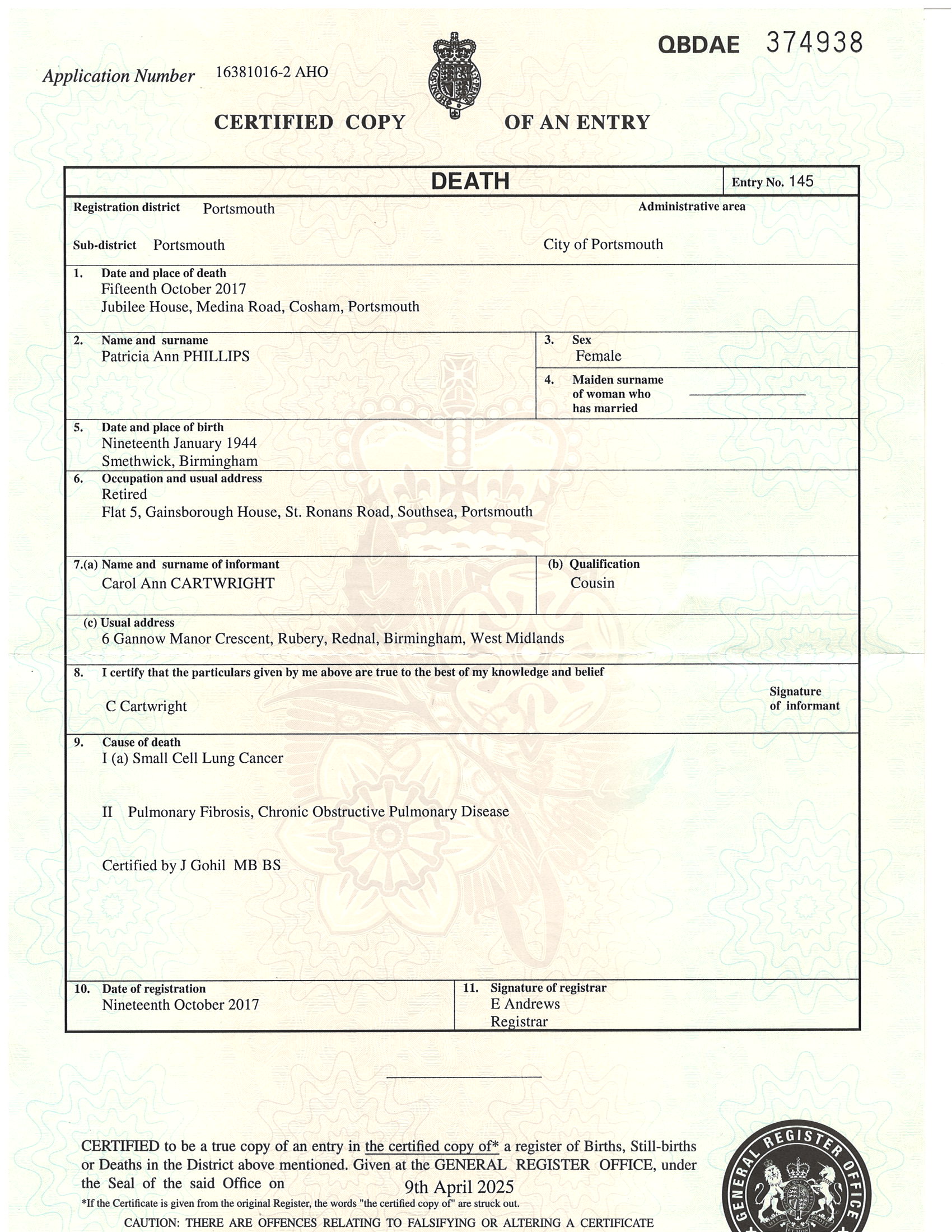
Certified copy of death entry for Patricia Ann Phillips, 2017, Portsmouth, UK
England · 2017 · Death

Certified death entry

Death certificate recovered from Portsmouth registration district. Documents like this confirm the end of a life and often reveal informants and next-of-kin who become new leads.

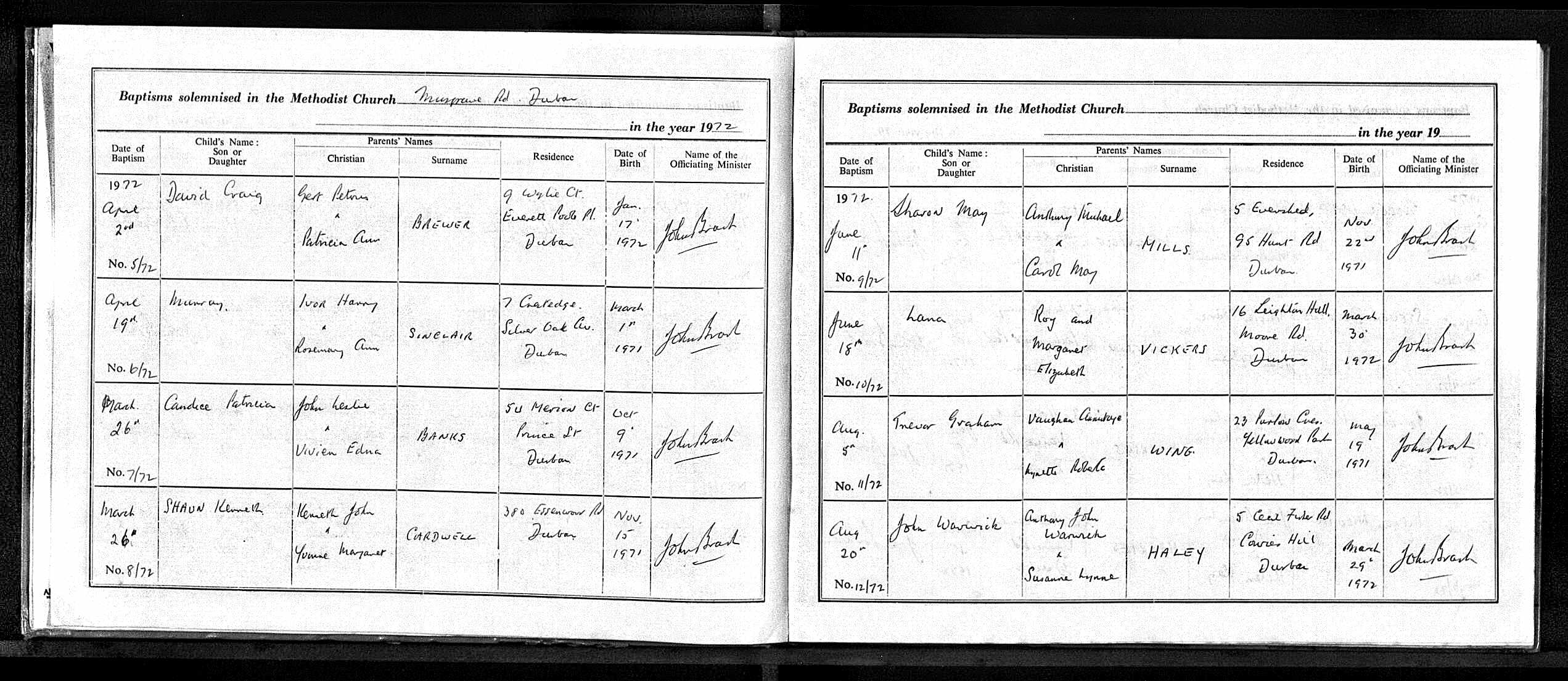
Methodist Church baptism register, Durban, South Africa, 1972
South Africa · 1972 · Baptism

Methodist baptism register

Musgrave Road Methodist Church, Durban — original register page. Church records fill gaps that civil records miss, especially in diaspora communities.

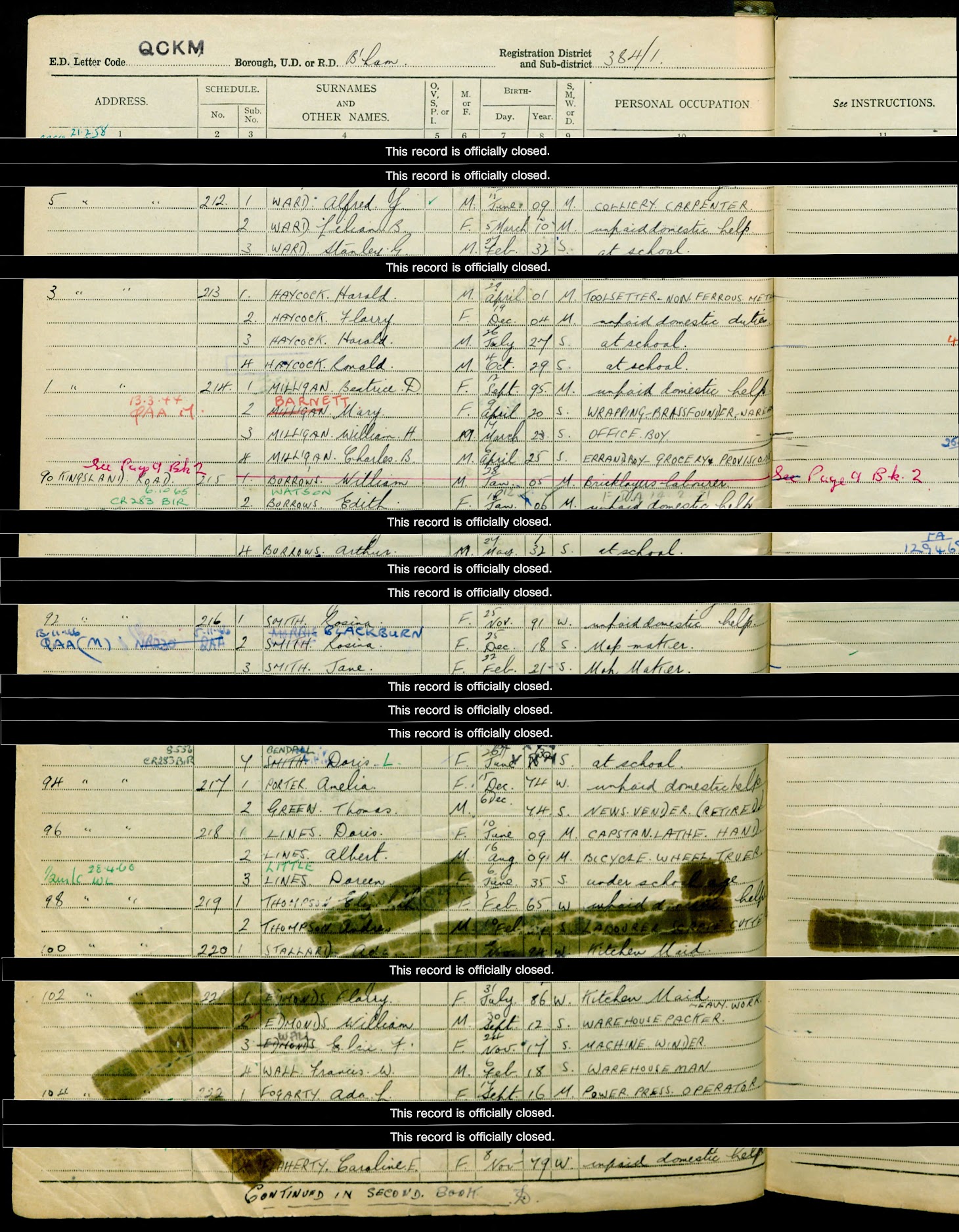
Page from the 1939 UK Register showing multiple households
England · 1939 · Register

The 1939 UK Register

Wartime population register — one of the most useful UK sources for the mid-20th century, capturing every household on a single day in September 1939.

Every project I take on produces documents like these — real records, catalogued by source, delivered to you as both digital scans and full citations. See what a full research report looks like →

How we work

Curious, careful, patient.

The same discipline that goes into a research paper shapes how I approach family history. Every project runs on a structured framework — clear objectives, working hypotheses, identified sources, methodical search, evidence-based findings — and closes with a formal written report you can hand to your family, your consulate, or the next researcher down the line.

01 · Sources

Original records

We start with parish registers, civil vitals, ship manifests, naturalization files, census pages. Family lore and online trees are useful leads, but the work is grounded in original documents — the closer to the source, the better.

02 · Cross-reference

Looking for agreement

Every ancestor gets checked against at least two independent records before joining the tree. When sources disagree, we say so — because the disagreement is often part of the story worth exploring.

03 · Citations

Following the trail

Every finding is cited so you can walk the same trail we did — repository, collection, page, archival link. Not to prove anything to anyone; just so the research is yours to continue whenever you're ready.

04 · Report

Written deliverable

Every project closes with a formal research report: objective, working hypothesis, sources identified, findings (including negative findings), and recommendations for future research. See a sample →

Standards & ethics

Held to the same codes as certified professionals.

APGAssociation of Professional
Genealogists · Code of Ethics
BCGBoard for Certification of
Genealogists · Code of Ethics
NGSNational Genealogical
Society · Standards
"

I was twelve days old when an American Air Force serviceman and his wife brought me home from a hospital in England. I always knew I was adopted, and I always wanted to know the rest of the story.

I hired a professional genealogist in the UK — thousands of dollars, a full year of work, one lead I hadn't already found. That's when I realized my three decades of Navy technical work — nuclear engineering, aviation, and operations research — weren't just a career; they were an advantage. So I stopped waiting and treated the search like the intelligence problem it was.

I found my biological father, my two brothers on his side, and my sister on my mother's side in Australia. My mother had passed before I could reach her. That's the work I now do for other people.
Dale Johnson · Founder, CARES, LLC · Retired Navy Aviator
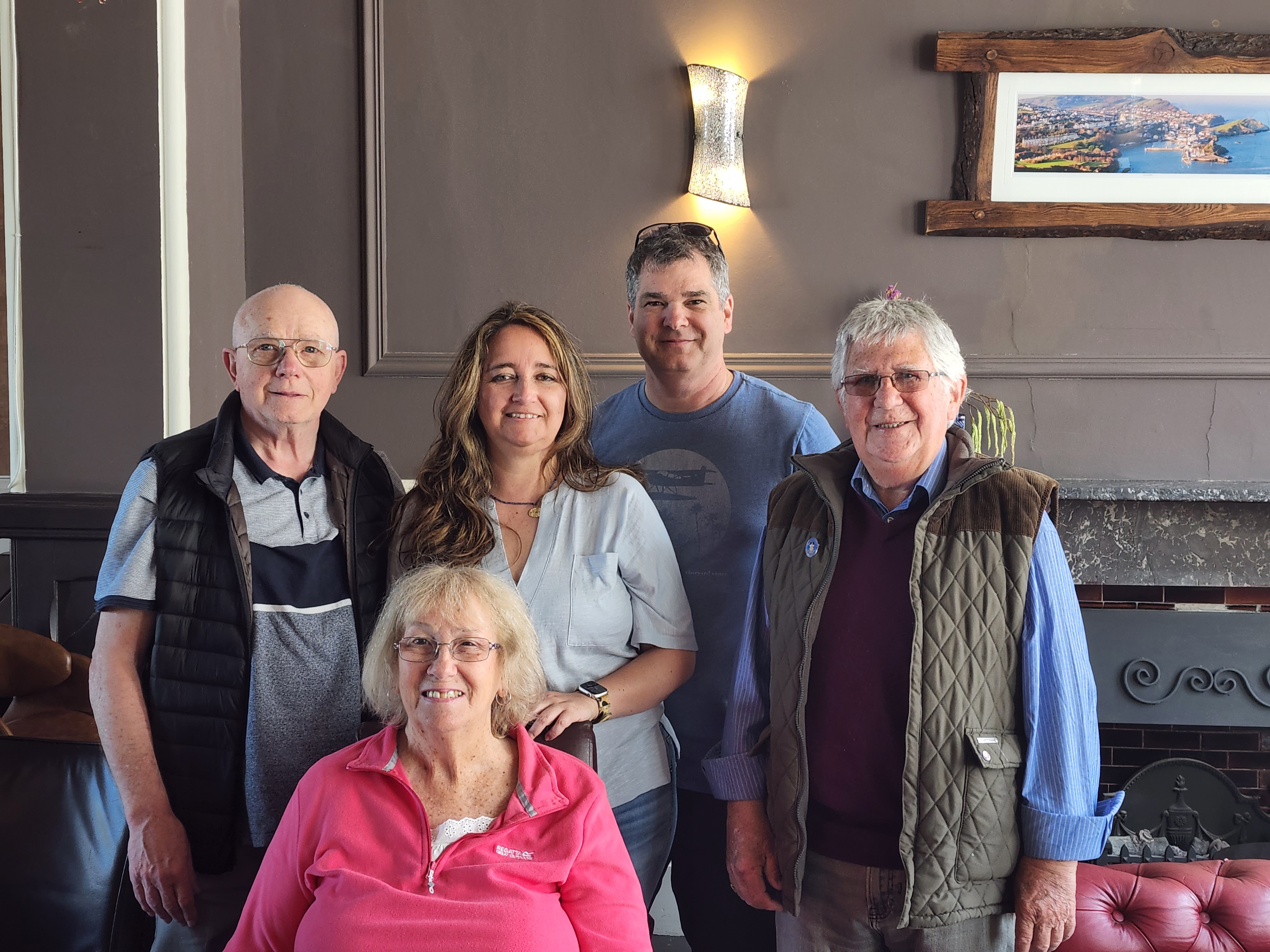
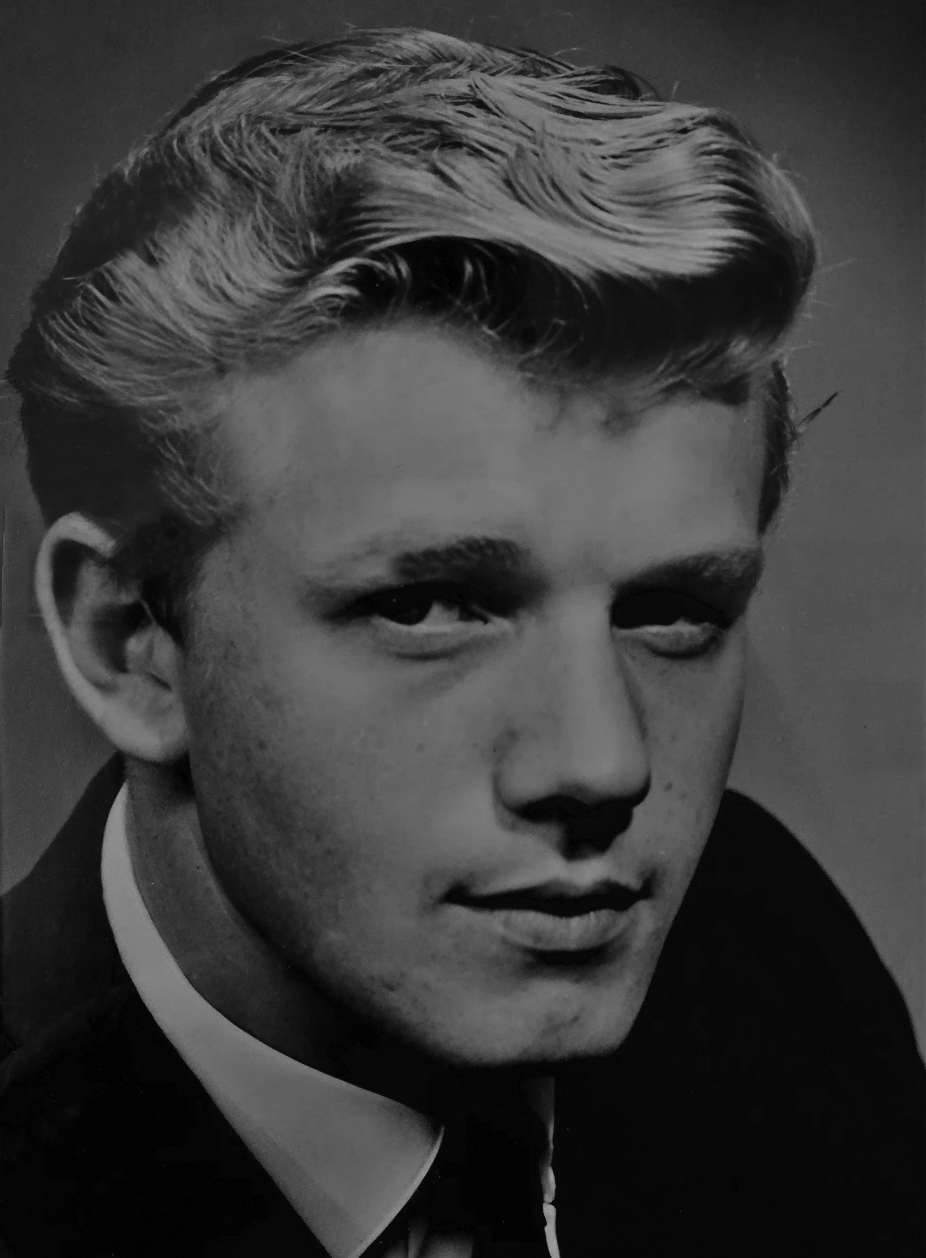
Dale's biological father as a young man
Ken · The searchMy biological father, in a portrait from before I was born.
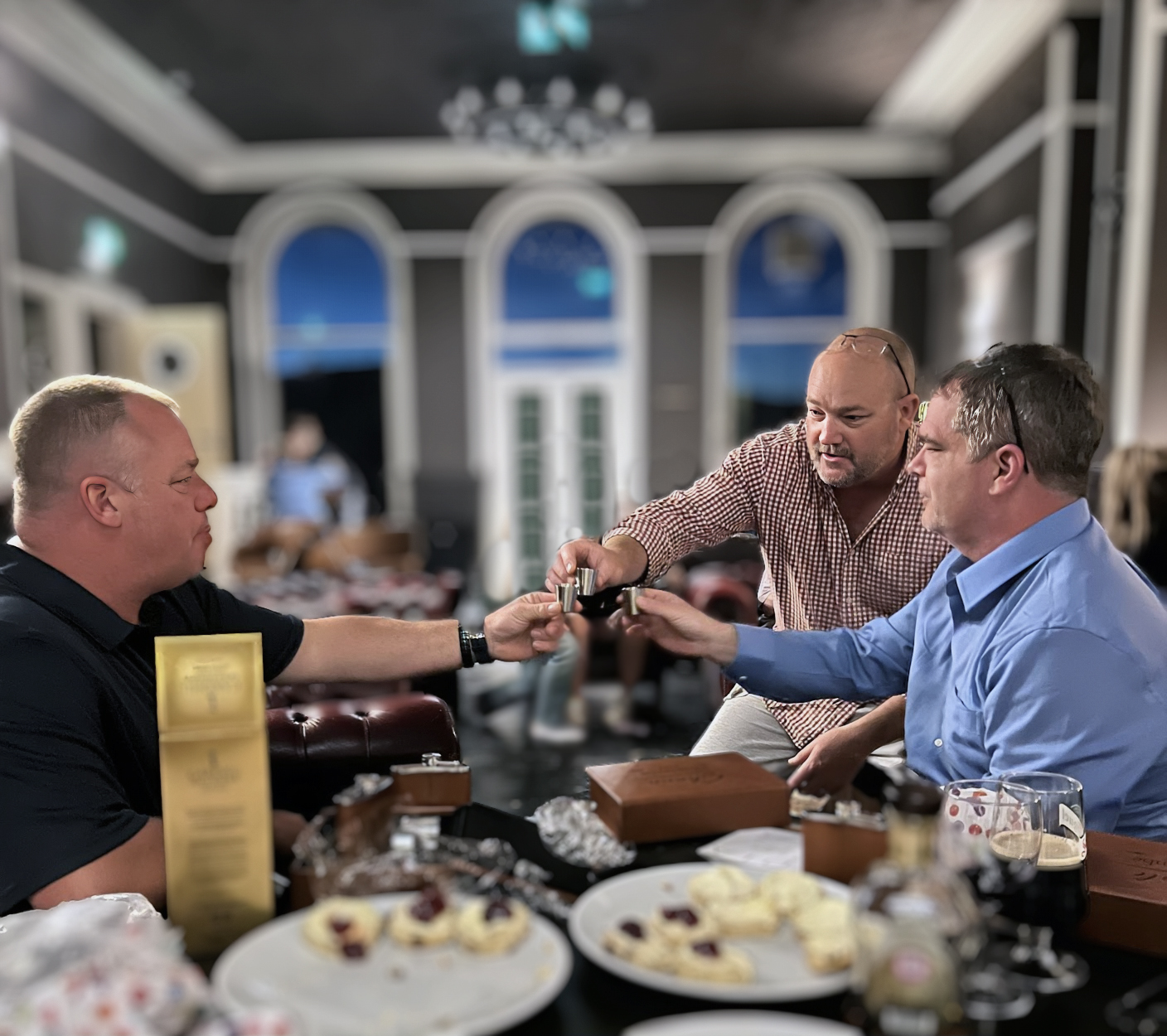
Dale with his two brothers, toasting at their first meeting
The reunionFirst meeting with my two brothers on my father's side.
Dale with his father, wife Monica, and the researchers who helped find them
Family foundWith Ken, my wife Monica, and the two friends who helped me find him.
Pricing & process

What a project costs.

Every project is different, but the pricing structure is straightforward. Every engagement starts with a free conversation to make sure the work is a good fit — and you'll know the total cost before we begin.

Focused

Brick-wall project

$1,500+
Typical range: $1,500 – $3,500

For a specific research question — one ancestor, one line, one puzzle you can't get past on your own.

  • Work plan formulation & scoping
  • Focused research and analysis
  • Written report of findings — including negative findings
  • Document copies, transcriptions, or abstracts
  • Recommendations for future research
Ask about this
Specialty

Citizenship dossier

$4,500+
Typical range: $4,500 – $10,000

A complete document dossier for European citizenship by descent — Italy, Ireland, Poland, Germany, and others.

  • All required vital records recovered
  • Document evaluation for consulate compliance
  • Certified translations coordinated
  • Apostilles obtained
  • Organized dossier ready to submit
Ask about this
What's included · what's separate Prices above cover my research time, records analysis, report writing, and deliverables. Third-party costs — foreign vital record fees, apostilles, certified translations, archive access charges, and postage — are billed separately at cost, with receipts. For citizenship dossiers, these typically add $500–$2,500 on top of the research fee, depending on how many documents are needed and which jurisdictions are involved. You'll see an itemized estimate of expected third-party costs before we begin, and never a surprise at the end.

Every engagement starts with a free 30-minute conversation. No obligation, no pressure — just a chance to make sure the work is a good fit for what you're looking for.

Questions we get asked

Frequently asked.

The questions people ask most often before starting a project. If yours isn't here, ask.

How much does professional genealogy research cost?

Focused research (a specific brick wall, a single line) typically starts around $1,500. Full family history projects run from $3,500 to $8,500, and dual citizenship dossiers from $4,500 to $10,000, depending on scope, geography, and record availability.

Those figures cover research time and deliverables only. Third-party costs — foreign vital record fees, apostilles, certified translations, and archive charges — are billed separately at cost, with receipts. For citizenship dossiers these typically add $500–$2,500. You get an itemized estimate before we start, so the total is never a surprise.

Every engagement starts with a free initial conversation to scope the work — you know the cost before we begin.

How long does professional genealogy research take?

A focused research project (one line, one question) typically takes 4 to 8 weeks. Full family histories run 3 to 6 months. Dual citizenship dossiers usually take 4 to 9 months, largely because of how long it takes foreign archives to respond to record requests. We'll give you a realistic timeline after our first conversation.

What if I don't know much about my family?

That's a common starting point. As long as we can establish your basic identity — parents' names, rough birthplaces, and a few known facts — we can usually build backwards from there using records. When I started my own search, I had only a name and an address. It was enough.

Do I need to take a DNA test first?

Not for most projects. DNA testing is useful for specific questions — finding biological family, connecting to distant relatives, confirming a paternal or maternal line — but standard genealogy research works from documents, not DNA. If your goal specifically benefits from DNA (like it did in my own search), we'll say so during our first conversation. Otherwise, most work starts with what's already on paper. See our DNA testing guide if you're weighing it.

What deliverables do I receive?

A written report with your family tree, every finding cited to its primary source, and copies of the actual documents recovered — birth certificates, church registers, ship manifests, naturalization records, and so on. Plus a plain-language summary that explains what we found and what remains open. For citizenship dossiers, you receive the full binder organized in the format your consulate requires.

Can you help with dual citizenship applications?

Yes — for Italian, Irish, Polish, German, and several other European jurisdictions where citizenship by descent (jure sanguinis) is available. We recover the required certificates, coordinate translations and apostilles, and deliver a dossier ready for you to submit. We do not file the application itself — that is done by you or your immigration attorney.

How do you protect client privacy?

Client information is confidential and never shared without explicit permission. Research findings are delivered to you and are yours to keep private or share as you choose. We do not publish client research or use anyone's story publicly without written consent. The documents shown on this site are from my own family research.

What areas do you serve?

CARES is based in Annandale, Virginia, and serves clients across the Washington DC metro area, throughout the United States, and internationally. Most research is conducted remotely — archives are increasingly online, and physical retrievals are handled by our source network wherever the records live.

What if you can't find what I'm looking for?

Sometimes records don't exist, or don't survive. Fires, floods, wars, and time have taken plenty of the historical record with them. If we hit a wall we can't get past, we say so plainly — and we document what we tried, so if new records surface later (which does happen), you or a future researcher have a clear place to pick up.

DNA testing

Which test, for what question.

Different DNA tests answer different questions. Below: a working guide to which test for which question, plus the specific companies I recommend.

The complete DNA guide

Not sure which test to take? Start here.

A working comparison of AncestryDNA, MyHeritage, FamilyTreeDNA, 23andMe, and Living DNA — with honest recommendations based on the actual question you're trying to answer. No affiliate scoreboard. Written to help you spend the least money to answer your biggest question.

Read the DNA testing guide →
5 companies
3 test types
One honest guide
Recommended · Deep ancestry

FamilyTreeDNA

The only consumer lab offering Y-DNA and mtDNA testing alongside autosomal — useful when you want to trace a paternal or maternal line further back than a standard autosomal test can reach. Their surname database is also helpful for surname-cluster research.

DNA was part of how I found my own family — the right test at the right moment closed doors that documents alone couldn't.
Shop FamilyTreeDNA

Affiliate link. CARES earns a small commission at no additional cost to you. See our full disclosure.

Managed DNA service

We can manage your DNA accounts

For research projects, CARES can manage your DNA testing accounts across GEDmatch, MyHeritage, FamilyTreeDNA, and Living DNA — uploading raw data, working through matches, and coordinating analysis across platforms. Every engagement uses a GINA-compliant written consent that covers privacy, withdrawal rights, and honest disclosure about unexpected findings.

Ask about DNA services

Read the full DNA testing guide for a working comparison of major labs.