
Every digital photograph carries hidden metadata — including the exact serial number of the camera body that captured it. The NASA Camera Fleet Registry harvests that metadata from three public NASA archives, cross-references it, and reconstructs the flight history of each physical camera the astronauts carried into orbit.
Start exploring
Three ways in
Whether you're looking for a specific camera model, browsing by mission, or diving into a single body's flight history, the registry surfaces the data in different ways depending on how you want to approach it.
Camera Models Hub
17 editorial profiles of every camera model flown to orbit — from the Kodak DCS series to the Nikon Z9. Each with mission history, lens ecosystem, and exemplar photographs.
Browse the models → By mission or bodyInteractive Registry
Search by mission (ISS066, STS-134, ART001), filter by camera model, drill down to individual bodies to see the exact frames each one captured and the lenses used.
Open the interactive registry → By methodologyHow It's Built
The registry harvests EXIF metadata from JSC Gateway, NASA Flickr, and images.nasa.gov, cross-references cameras by serial number, and reconstructs each body's flight history from the public record.
Read the methodology →The camera evolution
From Kodak DCS to mirrorless Z9
NASA's digital astronaut photography spans three eras, each represented in the registry by specific camera families that defined its technical and creative reach.
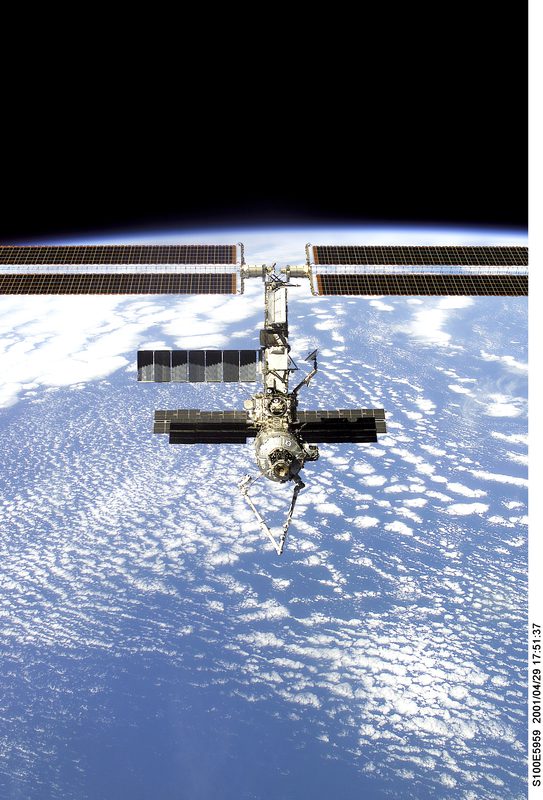
Era one · Kodak DCS series
NASA's first digital SLRs
Long before consumer digital photography, NASA flew the Kodak DCS series — the DCS 460, DCS 660, and DCS 760 — among the earliest digital cameras used in space. These were professional digital SLRs built on Nikon film-camera bodies, and they captured the transition from film to digital aboard the Space Shuttle and the early International Space Station.
The registry documents individual Kodak DCS digital cameras by serial number, including bodies that flew on Shuttle assembly missions to the ISS, making it possible to trace a specific DCS 460, 660, or 760 across the flights it supported. Read the Kodak DCS 660 profile →
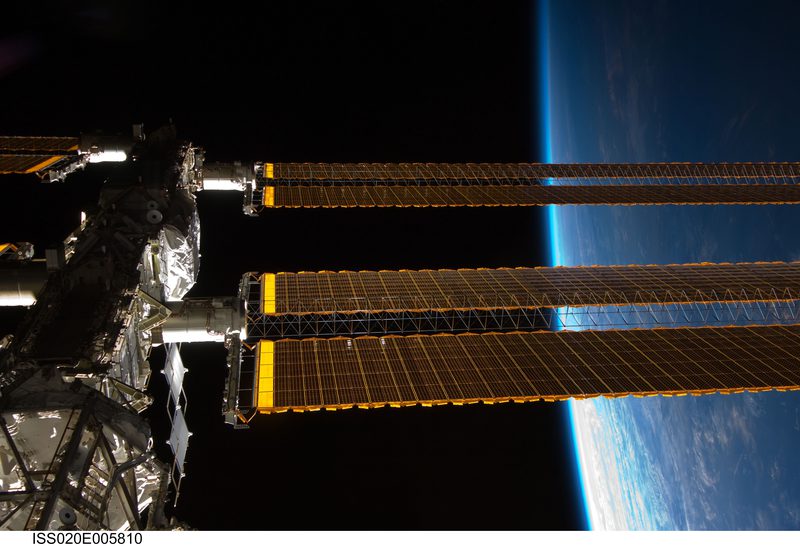
Era two · Nikon DSLRs
The workhorse era: D2Xs through D6
As NASA's photography went fully digital, Nikon DSLRs became the astronaut's workhorse in low Earth orbit. The registry catalogs the Nikon cameras flown in space — including the D2X and D2Xs, D3, D3S, D3X, D4, D5, D6, the D800E and D850 — again by individual serial number.
Because NASA acquired these cameras in batches, their serial numbers cluster in recognizable ranges, and the registry uses those patterns to distinguish genuine flight hardware from ground and training cameras. Read the Nikon D2Xs profile →
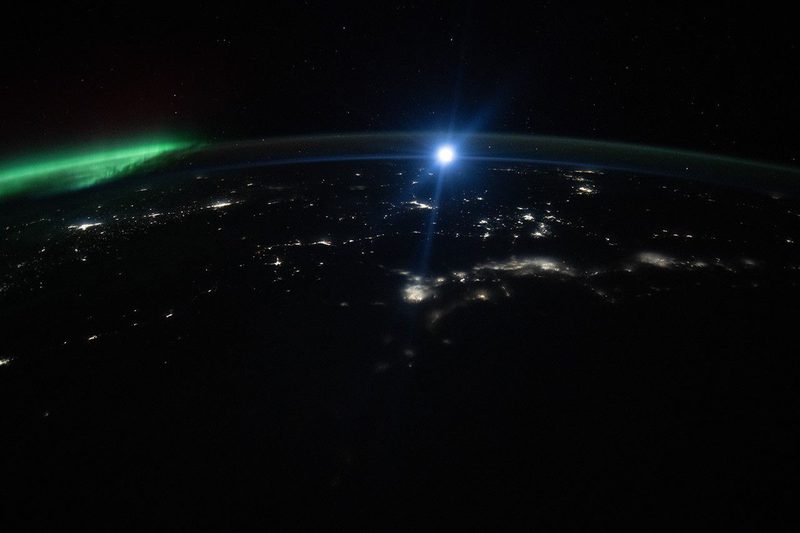
Era three · Mirrorless
The Z9 and the mirrorless transition
The Nikon Z9 marked NASA's move to mirrorless in orbit. Its 45.7-megapixel stacked sensor and the Z-mount lens system replaced the F-mount DSLRs that had dominated crew photography for over a decade.
The registry tracks Z9 bodies across ISS missions and their gradual coverage as they replace older Nikon DSLRs for astronaut photography, EVA documentation, and Earth-observation work. Read the Nikon Z9 profile →
Featured models
Marquee cameras
A cross-section of the fleet: historic first-generation digital SLRs alongside the workhorse Nikons that took the vast majority of astronaut photographs across a decade of ISS operations.
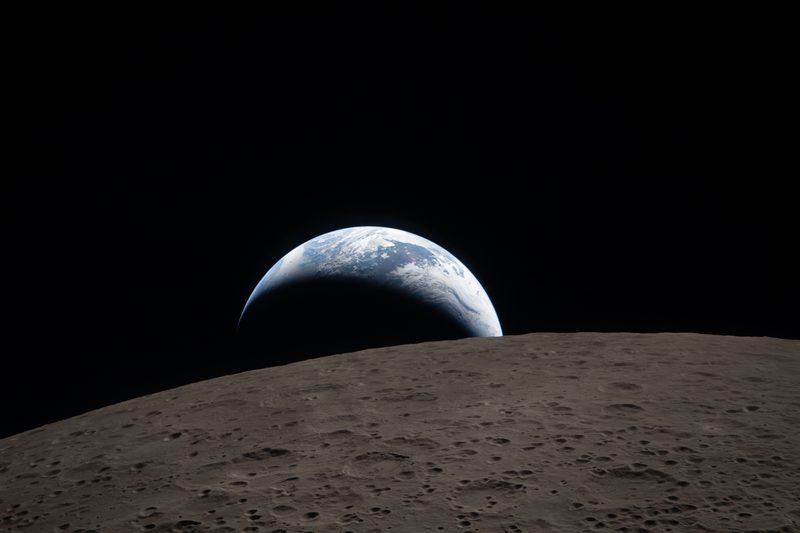
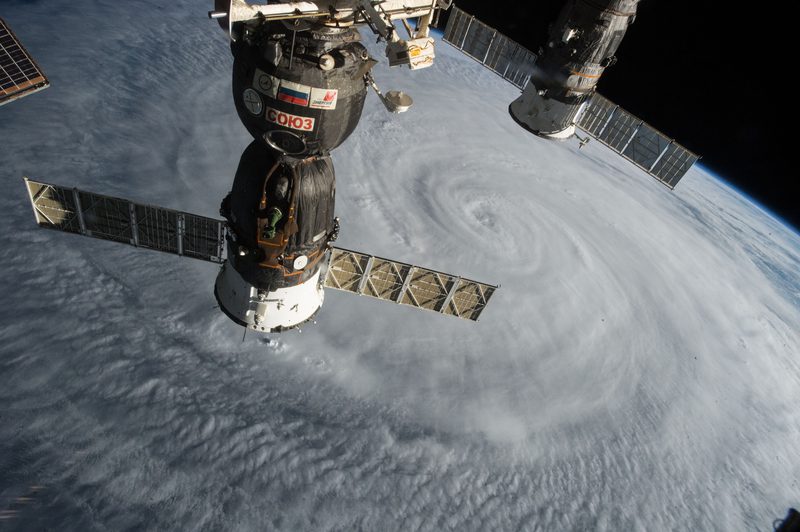
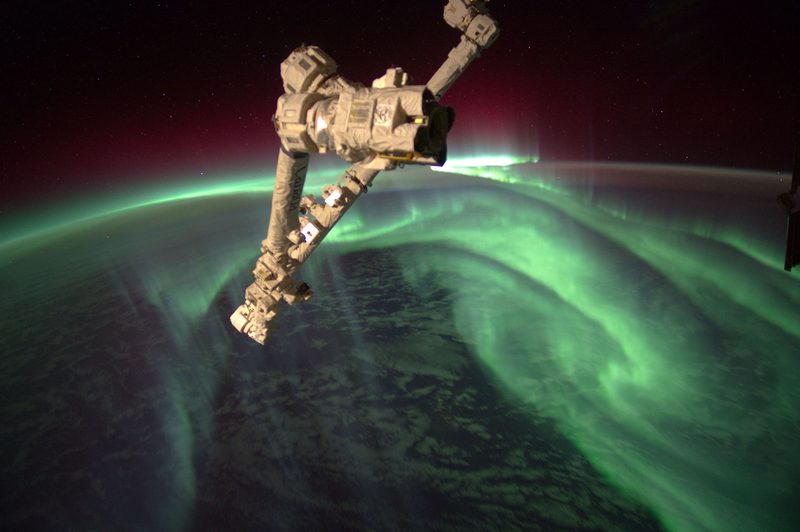
Methodology
A camera census built from serial numbers
Every digital photograph carries hidden EXIF metadata, and for professional cameras that includes a camera serial number. NASA's astronaut photography is released to the public with much of this metadata intact. The registry harvests those records, extracts the make, model, and serial of the camera that took each frame, and groups the photos by body.
The result is a serial-level map of which cameras flew, when, and how often — spanning more than 219 individual camera bodies and tens of thousands of photographs across dozens of missions.
Three source archives
Cross-references the JSC Gateway to Astronaut Photography of Earth, NASA's official Flickr accounts (nasa2explore, nasahqphoto), and the images.nasa.gov digital library.
Serial-level identity
Each body is identified by its manufacturer serial number extracted from EXIF metadata. Cameras that flew multiple missions can be traced across their entire flight history.
Space or ground
Each photograph is classified as taken in space, on the ground (crew training, press events), or unknown — using photo ID patterns, filename conventions, and NASA caption text.