
NASA Astronaut Camera Fleet Registry
Camera bodies identifiable in NASA's astronaut photography from ISS, Space Shuttle, and Artemis — traced by EXIF serial number.
This registry catalogs the individual NASA astronaut cameras — Kodak DCS and Nikon — identifiable from EXIF metadata in the public photo archives of the International Space Station, Space Shuttle, and Artemis programs. Each body is traced by serial number across the missions it flew and the frames it captured.
A camera census built from serial numbers
Every digital photograph carries hidden EXIF metadata, and for professional cameras that includes a camera serial number. NASA's astronaut photography is released to the public with much of this metadata intact. The registry harvests those records, extracts the make, model, and serial of the camera that took each frame, and groups the photos by body. The result is a serial-level map of which cameras flew, when, and how often — spanning more than 200 individual camera bodies and tens of thousands of photographs across dozens of missions.
NASA's first digital SLRs
Long before consumer digital photography, NASA flew the Kodak DCS series — the DCS 460, DCS 660, and DCS 760 — among the earliest digital cameras used in space. These were professional digital SLRs built on Nikon film-camera bodies, and they captured the transition from film to digital aboard the Space Shuttle and the early International Space Station. The registry documents individual Kodak DCS digital cameras by serial number, including bodies that flew on Space Shuttle assembly missions to the ISS, making it possible to trace a specific DCS 460, 660, or 760 across the flights it supported.
D2Xs, D3, D4, D5, D6, and the Z9
As NASA's photography went fully digital, Nikon DSLRs became the astronaut's workhorse in low Earth orbit. The registry catalogs the Nikon cameras flown in space — including the D2X and D2Xs, D3, D3S, D3X, D4, D5, D6, the D800E and D850, and the mirrorless Z9 — again by individual serial number. Because NASA acquired these cameras in batches, their serial numbers cluster in recognizable ranges, and the registry uses those patterns to distinguish genuine flight hardware from ground and training cameras.
From serial to photograph
The registry links each frame to a specific camera body by EXIF serial number. Three examples drawn from the archive.
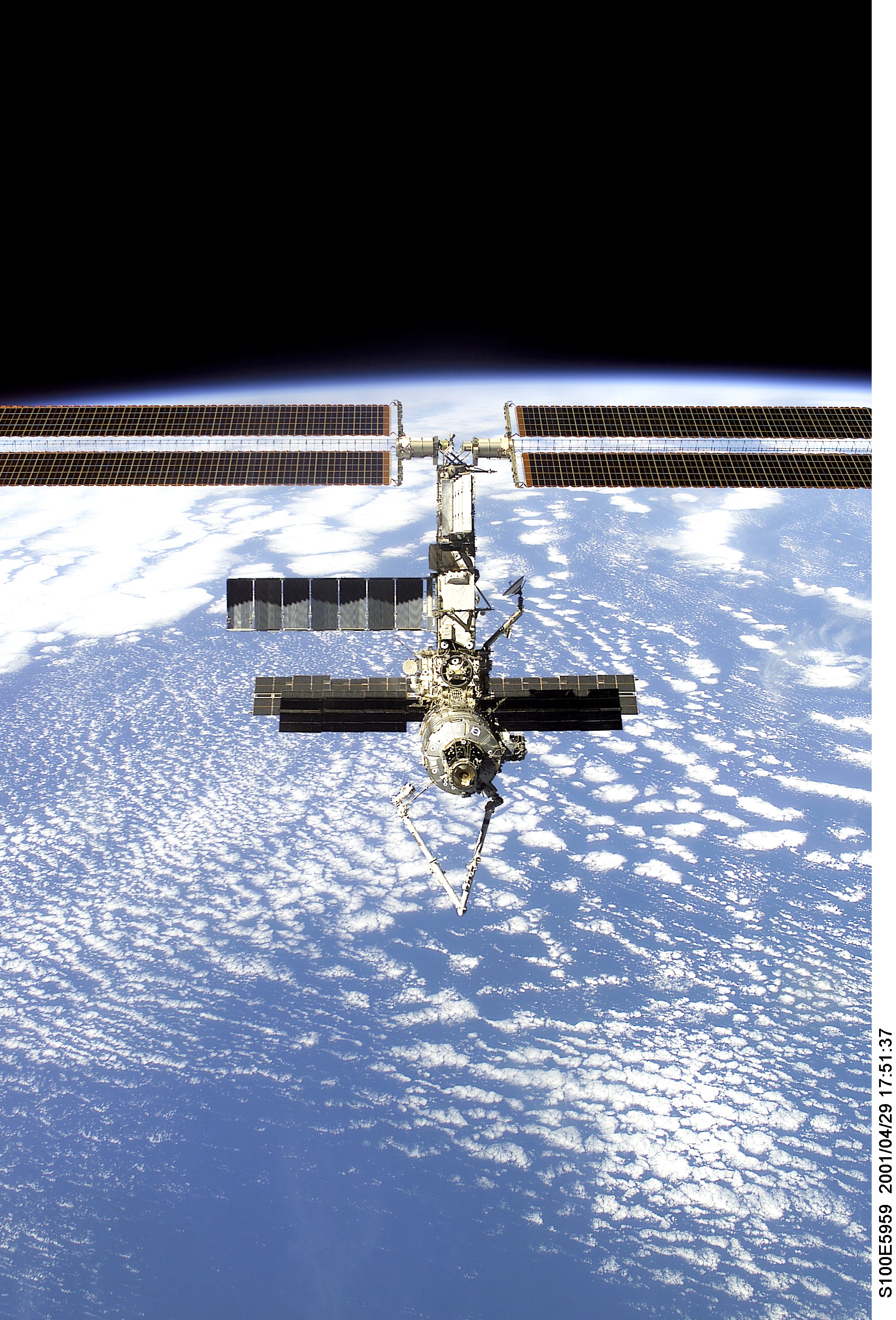
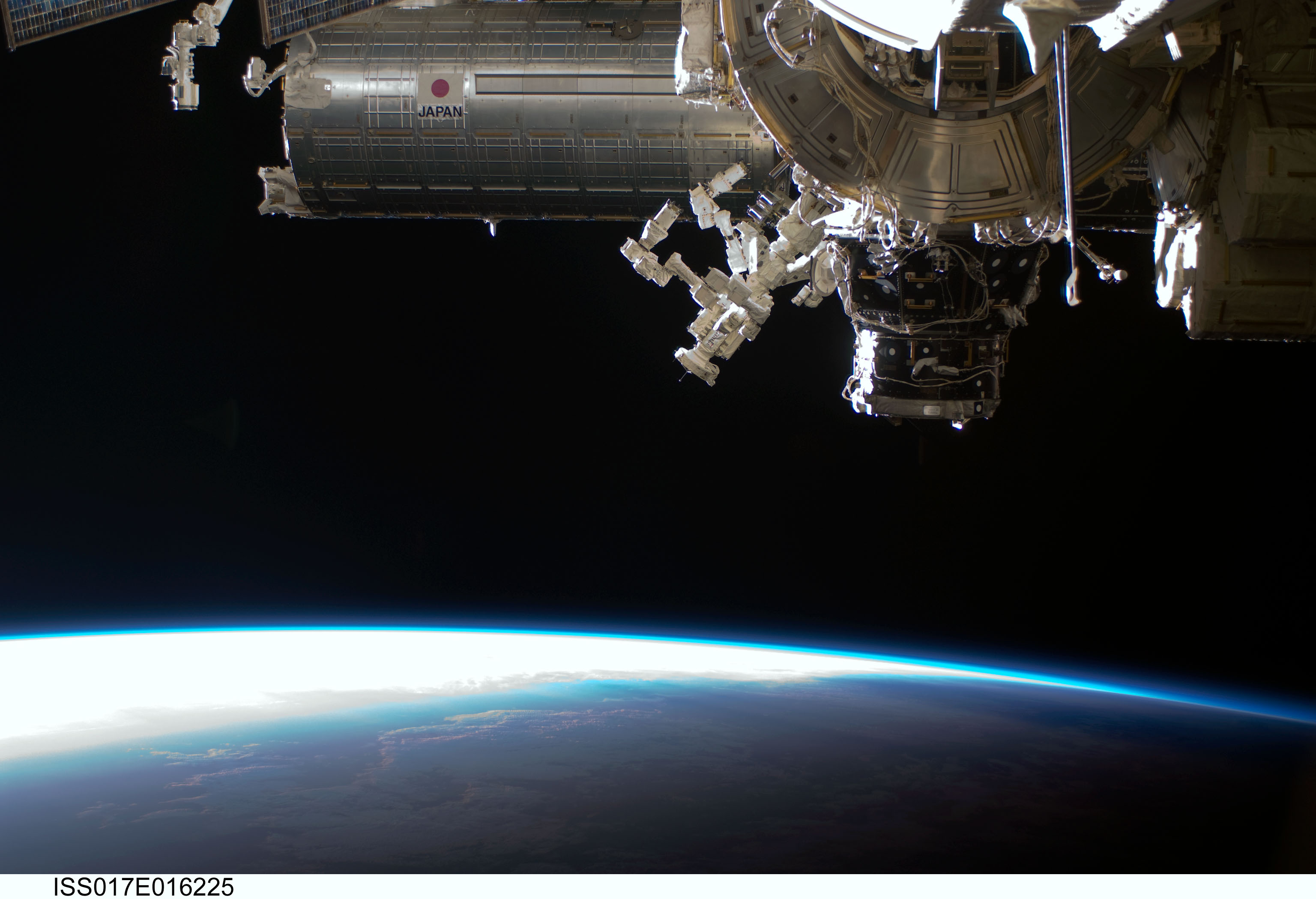
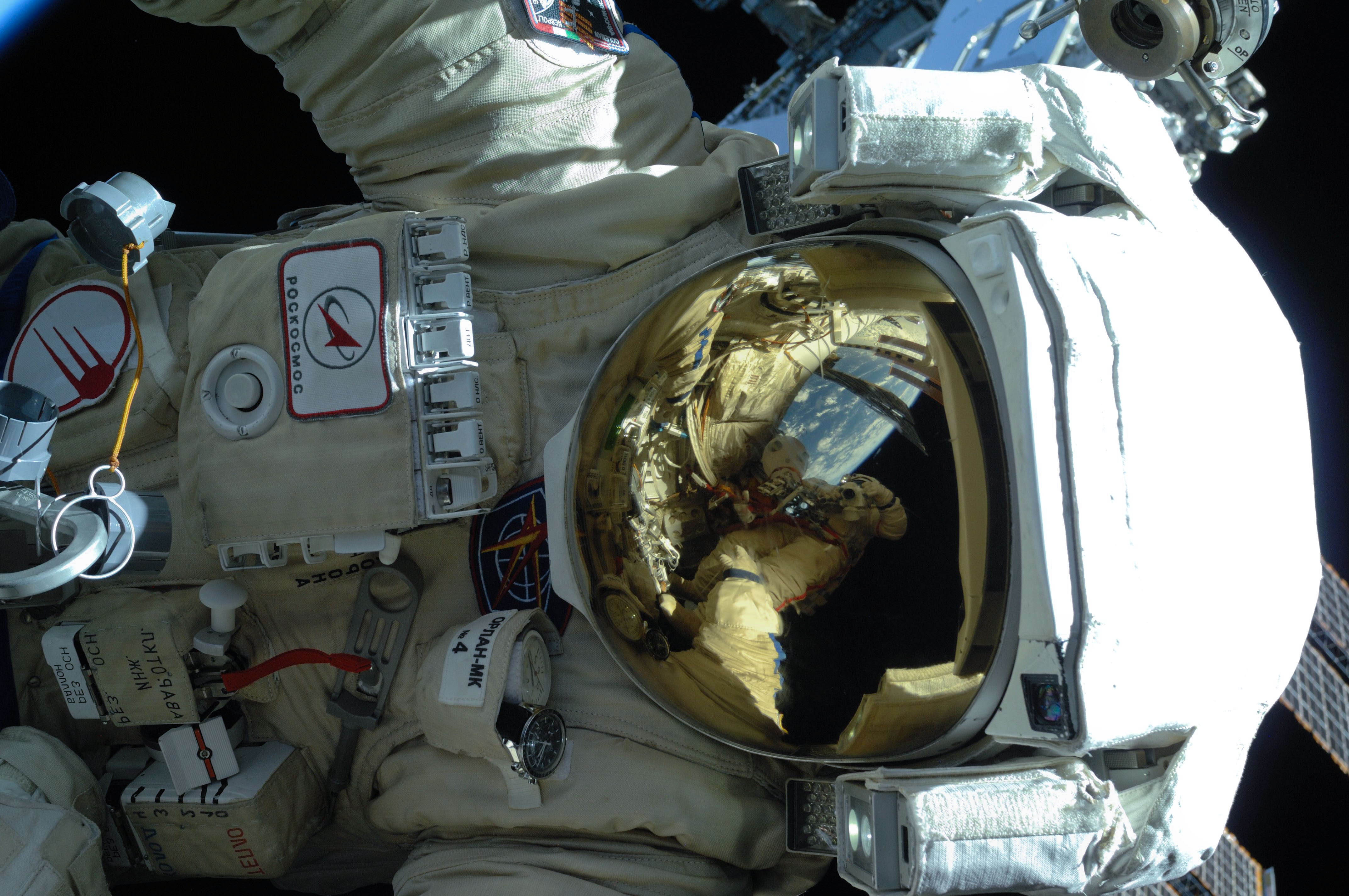
Missions covered: ISS, Space Shuttle, and Artemis
The registry spans three eras of American human spaceflight. It covers International Space Station expeditions (the station has hosted crews continuously since 2000), Space Shuttle (STS) missions from the digital-camera era of the program, and the new Artemis lunar missions — including cameras that traveled to lunar distance aboard the Orion spacecraft. Every photograph is tied to its mission by NASA's own photo-ID system, so each camera body's flight history is anchored to real, verifiable missions.
How the registry is built
The data is compiled from three independent public NASA sources: the JSC Gateway to Astronaut Photography of Earth, the NASA Image and Video Library (images.nasa.gov), and NASA's official photostream. Each source is harvested for camera metadata, cross-checked, and merged into a single registry, with careful logic to separate photographs actually taken in space from those taken on the ground during training and testing.
The registry is bounded by what these archives contain. It catalogs the camera bodies whose serial numbers can be verified from EXIF metadata in NASA's released imagery; additional cameras may have flown whose photographs have not been publicly released, or whose EXIF metadata is not preserved in the released files. As NASA continues to release imagery, the registry is updated to reflect newly identifiable bodies.
The underlying imagery and metadata are public domain, courtesy of NASA. The registry itself is an original compilation.